
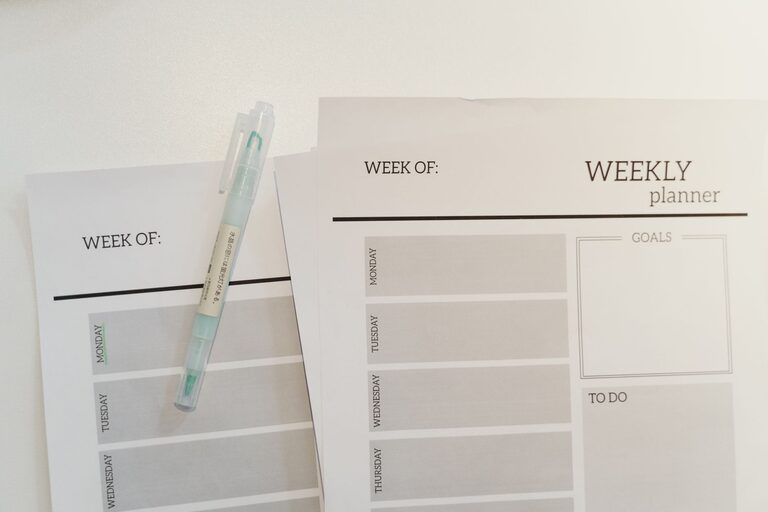
Setting weekly goals is a powerful way to organize your time, boost productivity, and make steady progress toward your larger objectives. But unrealistic goals can quickly lead to frustration and burnout. The key is to set realistic weekly goals that challenge you while fitting within your available time and energy.
In this post, we’ll explore how to create achievable weekly goals that support your priorities and keep you motivated throughout the week.
Why Setting Weekly Goals Matters
Weekly goals break down big projects into manageable chunks. They help you:
– Focus on what’s most important
– Track progress regularly
– Build momentum from small wins
– Adjust plans as life shifts
Unlike daily goals, which can be too narrow, or yearly goals, which feel distant, weekly goals strike a balance by giving you a clear window to accomplish meaningful tasks.
Step 1: Reflect on Your Priorities
Before writing your goals, spend a few minutes thinking about what matters most this week. Consider:
– Work deadlines or projects
– Personal commitments or events
– Health and well-being
– Learning or skill development
– Family and social time
Rank these by importance or urgency. This helps you focus on goals that align with your overall priorities rather than chasing distractions.
Step 2: Review Your Schedule
Look at your calendar and identify available blocks of time. Be realistic about:
– Work hours and meetings
– Family or social obligations
– Commute and chores
– Energy levels during the day
Knowing when you can dedicate focused time helps you set goals that fit your actual capacity.
Step 3: Use SMART Goals Principles
SMART goals are:
– Specific: Clearly define what you want to achieve.
– Measurable: Include criteria so you know when it’s done.
– Achievable: Set a goal that is realistic given your time and resources.
– Relevant: Make sure the goal aligns with your priorities.
– Time-bound: Set the deadline within the week.
For example, instead of “work on presentation,” set “complete slides 1-5 of the presentation by Wednesday.”
Step 4: Limit Your Weekly Goals
Avoid overwhelming yourself by limiting the number of weekly goals. A good rule of thumb is:
– 3 to 5 important goals per week
This keeps you focused and prevents burnout. If you finish early, you can add a bonus goal.
Step 5: Break Big Goals Into Smaller Tasks
If a goal feels too large, break it into smaller, actionable steps. For example:
Goal: Write a blog post
Tasks:
– Research topic (Monday)
– Outline post (Tuesday)
– Write draft (Wednesday-Thursday)
– Edit and publish (Friday)
Breaking goals into tasks helps you make steady progress and reduces procrastination.
Step 6: Write Down Your Goals
Putting goals in writing increases accountability and clarity. Use:
– A planner or journal
– A digital app (like a to-do list or calendar)
– Sticky notes or reminders
Review the goals at the start and end of each day to stay on track.
Step 7: Stay Flexible and Adjust
Life is unpredictable. If something urgent comes up, adjust your goals instead of feeling guilty. Reschedule tasks or reduce the number of goals for the week if needed.
Regularly reviewing your progress lets you learn what works and refine your goal-setting for future weeks.
Tips for Success
– Set goals that inspire you: Choose tasks that motivate you toward your bigger vision.
– Celebrate small wins: Recognize progress to stay motivated.
– Avoid multitasking: Focus on finishing one goal at a time.
– Use time-blocking: Schedule specific times to work on each goal.
– Limit distractions: Turn off notifications during focused work periods.
Example Weekly Goal Plan
| Day | Goal/Task | Notes |
|———–|——————————–|—————————|
| Monday | Research blog post topic | Spend 1 hour |
| Tuesday | Outline blog post | Draft structure and key points |
| Wednesday | Write blog post draft | Focus on introduction and main body |
| Thursday | Complete blog post draft | Finish remaining sections |
| Friday | Edit and schedule post | Proofread and add images |
This example shows how dividing a goal into clear daily tasks can make a big project feel manageable.
Final Thoughts
Setting realistic weekly goals is about balance — challenging yourself while being practical about your time and energy. With thoughtful planning, clear priorities, and a flexible mindset, weekly goals can keep you productive, focused, and motivated.
Start by choosing just a few important goals this week. Write them down, break them into steps, and celebrate your progress as you go. Over time, this habit will build momentum toward achieving your bigger dreams.