
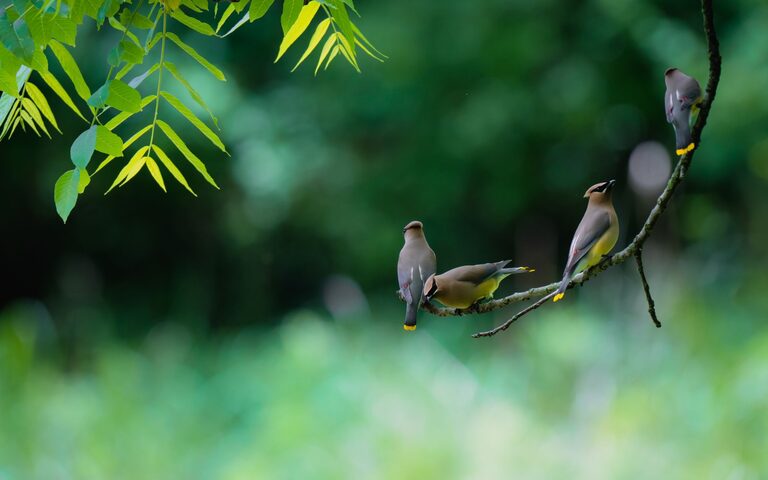
Birdwatching is a relaxing and rewarding hobby that connects you with nature right in your own backyard. Whether you have a large garden or a small balcony, observing birds can bring hours of enjoyment and a deeper appreciation for wildlife. If you’re new to birdwatching, these beginner tips will help you get started with confidence and fun.
Why Backyard Birdwatching?
Backyard birdwatching is an accessible way to experience nature without the need to travel far. It’s suitable for all ages and requires minimal equipment. Beyond being a peaceful activity, birdwatching also supports local wildlife by encouraging conservation and awareness.
Getting Started: What You Need
1. Choose a Comfortable Spot
Find a quiet, sheltered spot where you can watch birds without disturbing them. A window seat, porch, or garden bench works well. Try to position yourself where you can see trees, shrubs, or feeders.
2. Invest in a Good Pair of Binoculars
While optional, binoculars make it easier to observe birds up close and notice details like colors and markings. Look for compact binoculars with a magnification of 6x to 8x for balance between clarity and ease of use.
3. Keep a Field Guide or Bird App Handy
A field guide book or a smartphone app can help you identify bird species based on size, color, shape, and behavior. Many apps offer photos, sounds, and tips that make identification easier for beginners.
Attracting Birds to Your Backyard
1. Provide Food Sources
Different birds prefer different foods. Here are some popular options:
– Seeds: Black oil sunflower seeds attract many songbirds.
– Nuts: Peanuts or unsalted tree nuts can draw woodpeckers and jays.
– Fruit: Slices of apple, berries, or raisins appeal to orioles and thrushes.
– Nectar: A sugar-water mixture (1 part sugar to 4 parts water) in a hummingbird feeder can attract hummingbirds and orioles.
Tip: Avoid bread or processed foods; they offer little nutrition and may harm birds.
2. Use Bird Feeders and Houses
Place feeders in locations where you can watch easily but provide some cover nearby so birds feel safe. Different feeders serve different species: tube feeders for finches, platform feeders for ground-feeders, and suet feeders for woodpeckers.
Birdhouses or nesting boxes can also encourage birds to settle in your yard during breeding season. Make sure to research the types of birds common in your area to choose the right styles and placements.
3. Add Water Sources
Birds need fresh water for drinking and bathing. A shallow birdbath or fountain with moving water is ideal. Keep water clean and refill regularly, especially in hot or dry weather.
4. Plant Native Flowers and Trees
Native plants provide natural food sources such as seeds, nectar, and insects. They also offer cover and nesting sites. Incorporate a mix of trees, shrubs, and flowering plants to attract a variety of birds year-round.
Learning to Identify Birds
1. Observe Key Features
Start by noting the bird’s size, color patterns, beak shape, and behavior. Is it hopping on the ground or perched in trees? Does it sing or stay quiet?
2. Listen to Bird Calls
Bird songs and calls are unique to each species. Many apps and websites offer audio clips to help you learn and recognize these sounds.
3. Take Notes or Photos
Keep a small notebook to jot down descriptions or sketch birds you see. Taking photos allows you to review and identify birds later at your own pace.
Tips for Successful Birdwatching
– Be patient: Birds may take time to appear, especially if your yard is new to them.
– Stay quiet and move slowly: Sudden movements or loud noises can scare birds away.
– Watch at different times: Early mornings and late afternoons are often the best times for bird activity.
– Respect wildlife: Avoid disturbing nests or handling birds. Observe from a distance to keep them safe.
Joining the Birdwatching Community
Many local and online groups welcome beginners. Joining a community can provide support, identification help, and opportunities for guided walks or citizen science projects. Sharing your observations helps contribute to bird conservation efforts.
Enjoying the Benefits of Backyard Birdwatching
Beyond the joy of spotting beautiful birds, birdwatching has been shown to reduce stress and increase mindfulness. It encourages you to slow down, notice the details around you, and appreciate the natural world.
Starting with these simple tips, you’ll soon find that your backyard becomes a vibrant hub of bird activity and a peaceful retreat to unwind.
—
Happy birdwatching! Remember, every feathered visitor is a chance to learn and connect with nature.